

Low Ferritin with Normal Haemoglobin
A Functional Medicine Guide to Root Causes, Iron Metabolism and Treatment
Dr Sara Rizvi
Iron deficiency without anaemia is a measurable condition with cognitive and physical effects. Iron has several essential functions beyond supporting haemoglobin production. It is required for mitochondrial energy generation, oxygen utilisation, muscle function, neurotransmitter synthesis and numerous enzyme systems.
A recent 2026 guideline from the American Society of Haematology recognises that the traditional ferritin threshold of 15 ng/ml is too low for many clinical situations. This is exactly what Functional Medicine has been advocating for years, placing the optimal level between 50-80 ng/ml. Ferritin must always be interpreted with CRP and transferrin saturation, because inflammation can raise ferritin even when iron availability is low.
The body maintains a hierarchy of priorities. As iron intake falls or losses increase, the body can mobilise stored iron to maintain essential functions. Consequently, ferritin may fall substantially while haemoglobin remains within the laboratory reference range.
Symptoms of low iron are real and can impact every part of one’s life. This may include:
- Persistent fatigue, reduced stamina and exercise intolerance.
- Brain fog, poor concentration and difficulty with memory.
- Hair shedding is reported in iron-deficiency anaemia among menstruating women; its specificity for non-anaemic low ferritin is less established.
- Restless legs and disturbed sleep.
- Reduced exercise performance or slower recovery is supported in some populations but has not been consistently shown in all non-anaemic cases.
- Feeling cold, reduced motivation or changes in mood.
Functional medicine looks deeper and addresses the root cause(s). But before delving into the reasons for low iron and what steps can be taken to treat the dysfunction, it is important to understand some of the basic mechanisms and metabolism of iron in the body.

The body’s iron cycle
- Dietary iron: Heme iron from animal foods; non-heme iron from plants and fortified foods.
- Absorption in the duodenum: Iron is taken up by intestinal cells and either stored temporarily or exported into the bloodstream.
- Transport via transferrin: The liver-derived transport protein transferrin carries iron through the circulation.
- Cellular utilisation and storage: Iron supports haemoglobin, myoglobin, mitochondrial energy production and enzymes; excess available iron can be stored as ferritin
- Recycling by macrophages: Old red blood cells are broken down, and most of their iron is recovered for reuse. Only a relatively small amount of iron is lost each day through the shedding of intestinal and skin cells and other physiological routes. Menstruation, pregnancy and blood loss can substantially change the overall balance.
All of this has an important clinical implication: persistent low ferritin usually reflects a sustained imbalance between iron entering the body, iron being absorbed, iron being lost and iron being retained in storage. Ferroportin exports iron from cells; hepcidin degrades ferroportin and is the central regulator of both absorption and release from stores.
Root causes of low ferritin
There are five main categories: inadequate intake, impaired absorption, excessive loss, increased requirements and altered iron regulation.
1. Inadequate iron intake
Some of the potential contributors include:
- Inadequately planned vegetarian or vegan diet
- Insufficient intake of iron-rich foods such as meat, seafood, lentils, beans, tofu and seeds
- Increased nutritional demands that are not matched by intake, e.g. pregnancy
2. Impaired absorption
Important conditions to consider include:
- Coeliac disease
- Inflammatory bowel disease
- Helicobacter pylori infection
- Autoimmune atrophic gastritis: reduced gastric acid production and changes in gastric physiology can impair iron absorption
- Previous gastric or bariatric surgery
- Medication effects: proton pump inhibitors and other acid-suppressing drugs may contribute
- Chronic gastrointestinal disorders: particularly those causing persistent diarrhoea, mucosal injury or malabsorption. Small intestinal bacterial overgrowth can be associated with malabsorption but has weaker specific evidence for iron than for other nutrients.
- Tea, coffee, calcium and phytates can reduce non-heme iron absorption when consumed with meals. In contrast, concurrent vitamin C usage helps iron absorption
3. Chronic blood loss
Common causes include:
- Heavy or prolonged menstrual bleeding
- Frequent blood donation
- Gastrointestinal bleeding, including bleeding that is not visible
- Gastric or intestinal ulceration
- Inflammatory bowel disease
- Use of medicines associated with gastrointestinal bleeding, such as NSAIDs
- Recurrent nosebleeds or other sources of persistent blood loss
4. Increased physiological requirements
Relevant situations include:
- Pregnancy and the postpartum period
- Heavy/frequent menstrual bleeding
- Adolescence and rapid growth
- Endurance training or high-volume athletic activity
- Repeated blood donation
- Recovery from substantial blood loss
5. Inflammation and altered iron regulation
Inflammatory signalling increases hepcidin (an iron regulator), which reduces iron absorption and traps iron within storage cells.
Potential contexts include chronic inflammatory disorders, some infections, obesity-associated inflammation and chronic kidney or liver disease.
There is an important distinction here:
- In absolute iron deficiency, the body’s iron stores are depleted, and ferritin is usually low.
- In inflammation-related iron restriction, circulating iron availability may be low despite ferritin being normal or elevated.
- Both processes can coexist.
Another point to consider is that hypothyroidism and iron deficiency often co-exist and can worsen each other. Thyroid hormone is needed for red blood cell production, and iron is needed as a cofactor for thyroid hormone synthesis.
Investigating root causes of low ferritin from a functional-medicine perspective includes ferritin plus transferrin saturation, CRP, thyroid profile, and cause-directed evaluation (menstrual history, coeliac serology, medication review, and gastrointestinal investigation when indicated). Gastric-acid or routine microbiome testing can be selected on clinical suspicion rather than as standard steps.

Treatment: replenishing iron while addressing the root cause
A personalised approach begins by identifying and correcting the underlying driver rather than simply replacing iron. Oral iron remains first-line for most patients; alternate-day dosing improves absorption, and success depends on elemental dose, formulation tolerance, timing away from inhibitors (tea, coffee, calcium, phytates), and pairing non-heme sources with vitamin C when helpful. Lactoferrin is an emerging option for those with gastrointestinal side-effects but is not first-line. Intravenous iron is reserved for intolerance, malabsorption, ongoing bleeding, select inflammatory states, or the second and third trimesters of pregnancy.
What blood tests we request in clinic
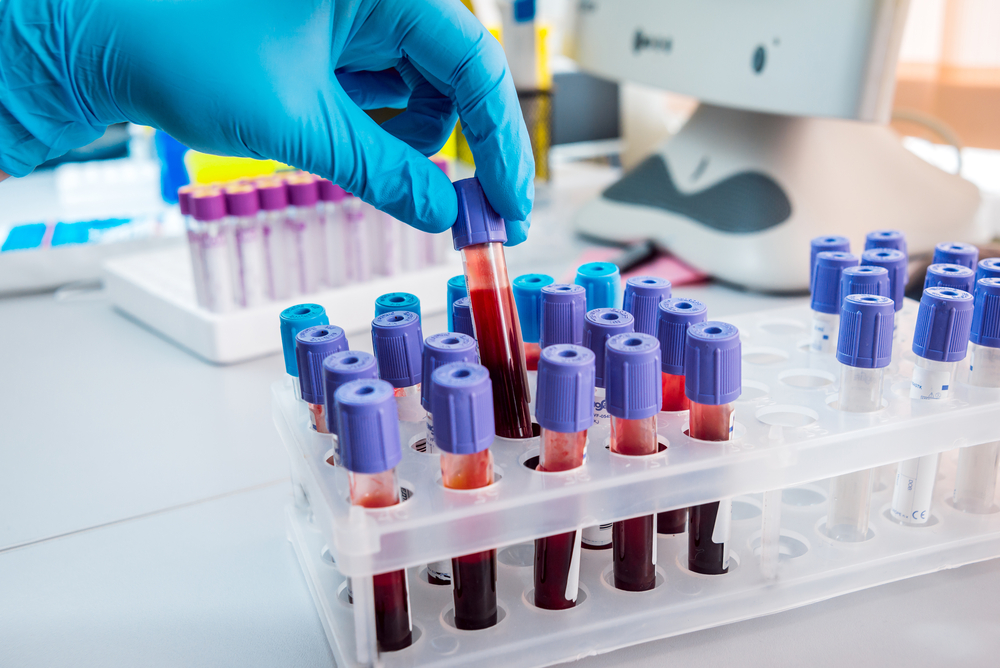
In our practice we order ferritin, transferrin saturation (or serum iron plus TIBC), full blood count and CRP so we can tell whether stores are truly low or whether inflammation is masking the picture. We also add thyroid function (TSH and free T4) and coeliac serology when the history points to possible malabsorption or thyroid involvement. If diet or gut health is a concern we include B12, folate and vitamin D.
Frequently asked questions we hear in clinic
How long does it take to raise ferritin?
Most patients notice meaningful improvement within 8–12 weeks when they take oral iron consistently and avoid inhibitors at the same time.
Can I stay on iron supplements long-term?
We don’t recommend long-term supplementation without fixing the cause, as it can cause side effects and still leave the original problem unaddressed.
Why do symptoms come back after stopping iron?
The root driver—whether bleeding, poor absorption or inflammation—is still active, so levels and symptoms tend to drop again within months.
When should I see a specialist?
We refer if oral iron hasn’t worked after three months, if there are signs of ongoing bleeding, or if inflammatory markers stay raised.
Why is my ferritin always low?
If your ferritin is always low, it usually means your body’s iron stores are being depleted faster than you’re replacing them, or you’re not absorbing enough iron. It can happen even when your haemoglobin is normal, so you don’t necessarily have to be anaemic to experience symptoms. The important thing is to work out why it’s staying low, rather than repeatedly taking iron supplements without addressing the underlying cause.
Many patients who come to see us, report that their ferritin or iron has “always been low.” This pattern usually signals one of the root causes outlined above. Conventional replacement can raise levels and ease symptoms temporarily, yet without addressing the driver the same picture often returns within months. Treating the cause produces lasting results. If your levels have followed this pattern, book a consultation so we can identify the reason and build a plan that holds.
Book a Discovery Call today to learn more about low ferritin but normal haemoglobin and why it happening.