
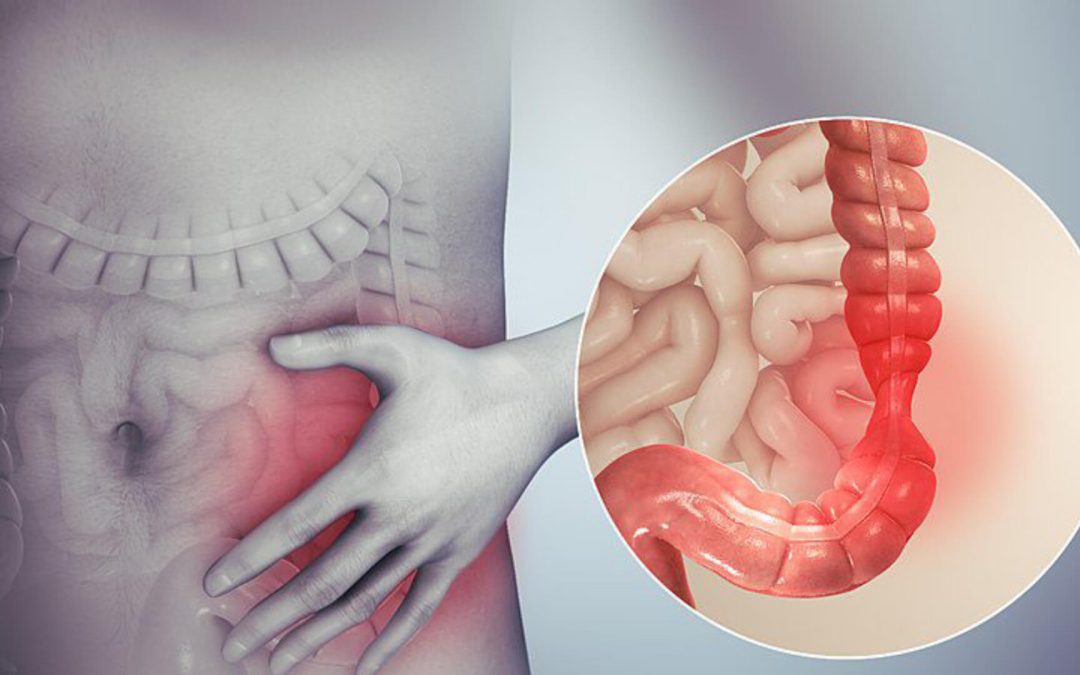
Introduction: IBS and Persistent Symptoms
Many people with irritable bowel syndrome (IBS) follow standard advice on diet and medication yet still experience bloating, pain or irregular bowels that disrupt daily life. When symptoms linger, it is natural to wonder whether something else is contributing. A functional medicine perspective examines the broader picture of digestion, stress, diet patterns and microbial balance while remaining grounded in conventional medical safety.
What is IBS?
IBS is a common functional gastrointestinal disorder diagnosed by symptoms rather than structural damage. It involves altered gut motility, visceral hypersensitivity and changes in the gut–brain axis. The Rome IV criteria require recurrent abdominal pain associated with defecation or changes in stool frequency or form, occurring at least one day per week for the past three months. Subtypes include IBS with diarrhoea (IBS-D), constipation (IBS-C), mixed (IBS-M) and unclassified. No single cause explains every case; genetics, early-life factors, infections and ongoing stress can all play roles.
Symptoms and Impact on Daily Life
Typical symptoms include cramping, bloating, gas, urgency and alternating constipation or diarrhoea. Many people also report fatigue, brain fog or low mood that coincides with digestive flares. The condition can limit social eating, travel, work productivity and sleep. Over time, repeated flares may lead to anxiety about food or avoidance of activities, further affecting quality of life.
Why Symptoms May Persist
Standard dietary changes such as basic fibre advice or short-term low-FODMAP trials help some people but do not address every contributor. Ongoing stress activates the gut–brain axis, altering motility and sensitivity. Small intestinal bacterial overgrowth (SIBO), bile acid malabsorption or pancreatic enzyme insufficiency can mimic or coexist with IBS and remain undetected without targeted testing. Nutrient gaps, especially magnesium or vitamin D, and disrupted sleep can sustain inflammation and pain perception. Food sensitivities that are not true allergies may also maintain low-grade irritation when not properly identified.
Assessment and Appropriate Investigations
A thorough history explores symptom timing, dietary patterns, stress load, travel, infections and medication use. Red-flag symptoms such as unintentional weight loss, rectal bleeding or nocturnal diarrhoea prompt urgent specialist referral. Basic blood tests check for anaemia, inflammation and coeliac disease. Stool tests may include calprotectin and, when indicated, elastase or pathogens. Breath testing for SIBO or lactose/fructose malabsorption is considered selectively. Colonoscopy is reserved for alarm features or age-appropriate screening. Advanced microbiome sequencing is not routinely required.

Our Clinical and Functional Medicine Approach
We begin with the same evidence-based foundation used in gastroenterology: confirming the IBS diagnosis, ruling out organic disease and offering first-line dietary guidance such as soluble fibre or a supervised low-FODMAP trial when appropriate. Where symptoms persist, we examine upstream factors including stress physiology, sleep quality, meal timing and possible enzyme or bile-acid issues. Nutrition is personalised rather than one-size-fits-all; some patients benefit from gradual FODMAP reintroduction while others need attention to protein distribution or magnesium status. Stress-management tools such as diaphragmatic breathing or referral to gut-directed hypnotherapy are integrated when the gut–brain axis appears dominant. Conventional medications such as antispasmodics, laxatives or low-dose antidepressants remain available and are used judiciously alongside lifestyle measures. The key difference is that we aim to lower the overall symptom burden so that medication needs may decrease over time, rather than relying on symptom suppression alone.
Conventional management often focuses on short-term relief through diet sheets, antispasmodics or laxatives. These can be effective initially yet frequently lose impact because they do not address sustained contributors such as visceral hypersensitivity, unresolved stress or subtle malabsorption. Relapse rates remain high once treatment stops. A functional medicine approach differs by combining the same medical tools with individualised assessment of diet patterns, nutrient status, sleep and stress. The goal is sustainable improvement through modifiable factors while maintaining safety-net conventional care when needed.
Who Our Clinic Is Suitable For
This approach suits adults whose IBS symptoms have not fully resolved with standard primary-care or gastroenterology input. It is appropriate for those willing to track symptoms and make gradual diet and lifestyle changes. People with active red flags, undiagnosed weight loss or complex medication regimens are first referred for specialist medical evaluation.
What Working with Us Involves
Initial consultations include a detailed history and review of prior tests. We discuss personalised nutrition trials, stress-reduction techniques and sleep optimisation. Follow-up appointments monitor progress, adjust plans and coordinate with your GP or gastroenterologist when additional investigations or medications are required. All recommendations remain evidence-informed and safety-netted.
Frequently Asked Questions
Is IBS caused by stress?
Stress does not cause IBS but can significantly worsen symptoms through the gut–brain axis. Managing stress often reduces flare frequency.
Should I stay on a low-FODMAP diet forever?
No. The low-FODMAP diet is a short-term elimination tool followed by structured reintroduction. Long-term restriction is not recommended without supervision.
Can probiotics cure IBS?
Certain strains may ease symptoms for some people, but results are modest and strain-specific. Probiotics are one possible adjunct, not a cure.
Do I need a stool test for IBS?
Basic stool tests are useful to rule out inflammation or infection. Comprehensive microbiome testing is not routinely required for diagnosis.
Will changing my diet fix my IBS permanently?
Dietary adjustments can produce lasting improvement when combined with stress management and sleep support, but individual results vary and medical oversight remains important.
When should I see a gastroenterologist instead?
See a specialist promptly for red-flag symptoms, persistent weight loss, bleeding or symptoms that began after age 50.
Patient testimonial:
“I can thoroughly recommend Dr Gayetri and her team. After months of feeling very low on energy, with significant gut issues like bloating and getting no answers from standard blood testing and other diagnostics I realised I needed someone to look beyond individual organ systems and understand how the whole was working together. Through extensive testing and lifestyle changes that I was thoroughly supported through, I started to see changes and 6 months in, I have a much deeper understanding of what was going on which in my case was all to do with my gut-brain axis. I have more energy, feel better and most importantly, I am much more aware of what makes my body function optimally.”
Paula Bellostas Muguerza
Call to Action
If IBS symptoms continue despite standard care, book a Discovery Call to discuss a personalised assessment and next steps.