
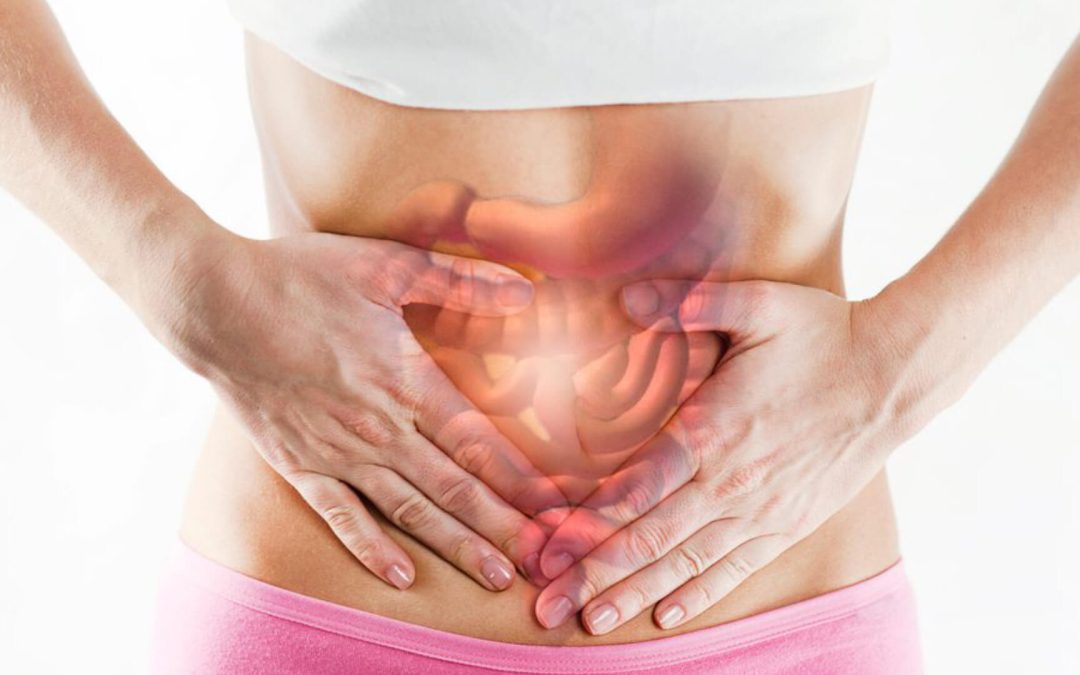
Many people experience symptoms such as fatigue, bloating, brain fog, skin concerns, or low mood without realising that they may all be connected. Rather than treating each symptom separately, functional medicine focuses on identifying and addressing the root cause.
Two of the biggest foundations of good health are nutrition and gut health. The foods you eat every day influence far more than your digestion. They affect your immune system, hormone balance, energy levels, mental clarity, and overall wellbeing. By understanding how nutrition and gut health work together, you can make simple, sustainable changes that support your body from the inside out.
Why Gut Health Matters
Your gut is responsible for much more than breaking down food. It plays an essential role in digestion, nutrient absorption, immune function, hormone regulation, and even your mental wellbeing.
Around 70% of the immune system is located in the gut, making it one of your body’s first lines of defence. Your digestive system is also home to trillions of bacteria and other microorganisms, known as the gut microbiome. These beneficial microbes help digest food, produce important nutrients, support the immune system, and protect against harmful bacteria.
The gut is also closely connected to the brain through the gut-brain axis. This explains why stress can affect digestion and why poor gut health may contribute to symptoms such as anxiety, low mood, poor concentration, and brain fog. Looking after your gut can have a positive impact on both your physical and mental health.
When the Gut Becomes Unbalanced
A healthy gut depends on having a balanced and diverse microbiome. However, factors such as chronic stress, poor diet, lack of sleep, certain medications, and environmental toxins can disrupt this balance.
When this happens, you may experience symptoms including:
- Bloating and digestive discomfort
- Constipation or diarrhoea
- Fatigue and low energy
- Brain fog
- Food sensitivities
- Frequent infections
- Skin concerns such as eczema or acne
- Joint discomfort
- Changes in mood
Functional medicine often looks for underlying gut imbalances that may contribute to these symptoms.
One common imbalance is dysbiosis, where harmful bacteria begin to outnumber beneficial bacteria. Another is Small Intestinal Bacterial Overgrowth (SIBO), which can lead to bloating, abdominal discomfort, and irregular bowel habits. Some people may also experience Candida overgrowth, while others develop increased intestinal permeability, often referred to as “leaky gut”, where the gut lining becomes less effective at acting as a protective barrier.
Although these conditions may sound complex, they often improve when the underlying causes are addressed through nutrition and lifestyle changes.

The Role of Nutrition
The food you eat has a direct impact on your gut microbiome. Every meal provides an opportunity to nourish the beneficial bacteria that help keep your digestive system healthy.
A balanced diet should include:
- High-quality protein to support repair and recovery.
- Healthy fats such as olive oil, avocado, nuts, seeds, and oily fish.
- Fibre-rich carbohydrates from vegetables, fruits, legumes, and whole grains.
- A wide variety of colourful plant foods that provide vitamins, minerals, antioxidants, and phytonutrients.
Eating a diverse range of whole foods encourages a healthier and more resilient microbiome. Fibre is particularly important because it feeds the beneficial bacteria that support digestion, immune function, and the production of compounds that help maintain a healthy gut lining.
Fermented foods such as natural yoghurt, kefir, kimchi, and sauerkraut also introduce beneficial bacteria that can help increase microbiome diversity.
At the same time, reducing highly processed foods, refined sugars, excessive alcohol, and artificial sweeteners may help reduce inflammation and support a healthier balance of gut bacteria.
Healthy eating isn’t about perfection. It’s about making nourishing choices consistently over time.
Lifestyle Habits That Support Gut Health
Good nutrition is only one part of maintaining a healthy gut. Your everyday habits also influence how well your digestive system functions.
Manage Stress
Long-term stress can affect the communication between your brain and gut, disrupting digestion and changing the balance of your microbiome. Taking time each day to practise deep breathing, mindfulness, gentle exercise, or relaxation techniques can support both your nervous system and digestive health.
Prioritise Sleep
Sleep is essential for repairing the body and maintaining healthy immune and digestive function. Aim for a regular sleep routine and create an environment that allows for quality rest each night.
Eat Mindfully
Many people eat quickly without properly chewing their food. Eating more slowly, chewing thoroughly, and sitting down without distractions allows your digestive system to break down food more effectively and improves nutrient absorption.
Stay Active
Regular physical activity supports healthy digestion, reduces stress, and has also been shown to encourage a more diverse gut microbiome. Even simple activities such as walking can make a positive difference.
Supporting Gut Healing
Functional medicine often follows a simple framework known as the 4 R’s Protocol to help restore gut health.
The first step is to remove foods or factors that may be irritating the gut. The second is to replace digestive support where needed, such as digestive enzymes or stomach acid support under professional guidance. The third step is to re-inoculate the gut by increasing beneficial bacteria through probiotics, fermented foods, and prebiotic-rich foods. Finally, the Repair phase focuses on supporting the gut lining with nutrient-rich foods and key nutrients that promote healing.
This structured approach helps restore balance while supporting the body’s natural ability to heal.

Small Changes can have a Big Impact
Supporting your gut health doesn’t require an extreme diet or complicated routine. In fact, the most meaningful improvements often come from small, consistent habits.
Choosing more whole foods, eating plenty of fibre, adding fermented foods, staying active, managing stress, and prioritising good sleep all work together to support a healthier gut.
Over time, these simple habits can improve digestion, strengthen your immune system, increase your energy levels, reduce inflammation, and support better overall wellbeing.
Your gut influences almost every aspect of your health. By nourishing it every day through balanced nutrition and healthy lifestyle choices, you’re giving your body the foundation it needs to thrive for years to come.
Book a Discovery Call today with Dr Gayetri & Associates and discover how a personalised approach to nutrition can help your gut feel its best.